A good CNC partner lifts a product line. A bad one drags down schedules, margins, and reputations. Qualifying a CNC machining shop is not about collecting brochures and machine lists. It is about pressure testing how a supplier behaves when drawings get complex, tolerance stack-ups collide, material certs run late, and priorities compete.
I have sat on both sides of the table in industrial machinery manufacturing and custom fabrication. I have walked through spotless showrooms that couldn’t hold a ±0.0005 inch bore after heat treat, and modest metal fabrication shops that quietly shipped perfect parts for years. The difference showed up in how they ran jobs, not how they talked about them. The goal here is to share a practical process, with details you can verify, for buyers and engineers at OEMs, from mining equipment manufacturers to food processing equipment manufacturers, logging equipment builders, and Canadian manufacturers with strict documentation expectations.
Start with the work you actually buy
Shops love to tell you they “do everything.” Resist the catch‑all. Define the parts, volumes, and risks you actually need covered. That means more than a drawing pack. If your build to print portfolio includes 4140HT shafts with deep keyways, 6061 plates with tight flatness callouts, stainless components that must be passivated, or tricky weldments that require machining on both sides of the weld, put those at the center of the conversation.
When a CNC machine shop says they have 5‑axis, ask how often they run simultaneous toolpaths versus positional indexing. If they tout precision CNC machining, ask for a recent job with a real geometric dimensioning and tolerancing challenge and have them walk you through the fixturing, datums, and measurement plan. The most telling shops will volunteer the gotchas, like how they handled distortion on a thin wall 17‑4 PH housing after H900 hardening or how they held true position across a large bolt circle on a welded frame.
The facility tour that reveals more than paint
Tours are useful when you learn to read what you see. Clean floors are nice. Consistent flow is better.
Follow a part. Pick a process you will actually buy, such as CNC metal cutting of thick plate, a milled-and-turned hydraulic manifold, or a custom steel fabrication weldment that will be machined after weld. Trace it from receiving to final inspection. Note whether raw material sits for days waiting for router travelers and whether heat numbers follow the stock. Ask how programmers communicate with operators, and how operators flag manufacturability issues upstream to the programmer or the Industrial design company that handed off the model.
Look for a handful of signals:
- Material control that links heat certs to bar ends, remnant storage, and the final traveler. If they serve industrial machinery manufacturing, they should be comfortable producing full material traceability on demand. Gage and fixture storage that is labeled, calibrated, and logged. Precision CNC machining means nothing if micrometers drift out of spec. Ask to see the calibration log for the CMM and a few handheld gages. Check dates and signatures. Setup documentation on the machine, not just in a binder. Photos of vice positions, soft jaw drawings, torque specs on clamps, and the program revision on the control tell you they can repeat setups months later. In‑process inspection routines visible on the floor. A capable shop will have check sheets at the machine, with frequency tied to feature criticality, not a single first‑article stamp and hope. Weld bays and machining bays that coordinate. For a custom metal fabrication shop that also machines, ask how they control weld shrinkage before the part hits a horizontal mill. Good welding companies have heat input procedures and use tack sequence maps for repeatability.
If the shop claims experience with Underground mining equipment suppliers or logging equipment, ask to see medium to heavy weldments and the machining centers used to square and bore those frames. The ability to handle long beds, through‑spindle coolant, and robust fixturing matters more than a glossy brochure.
Evidence beats assurances: capability and capacity
Capability is what a shop can do. Capacity is how much of it they can do when you actually need it. Both need proof.
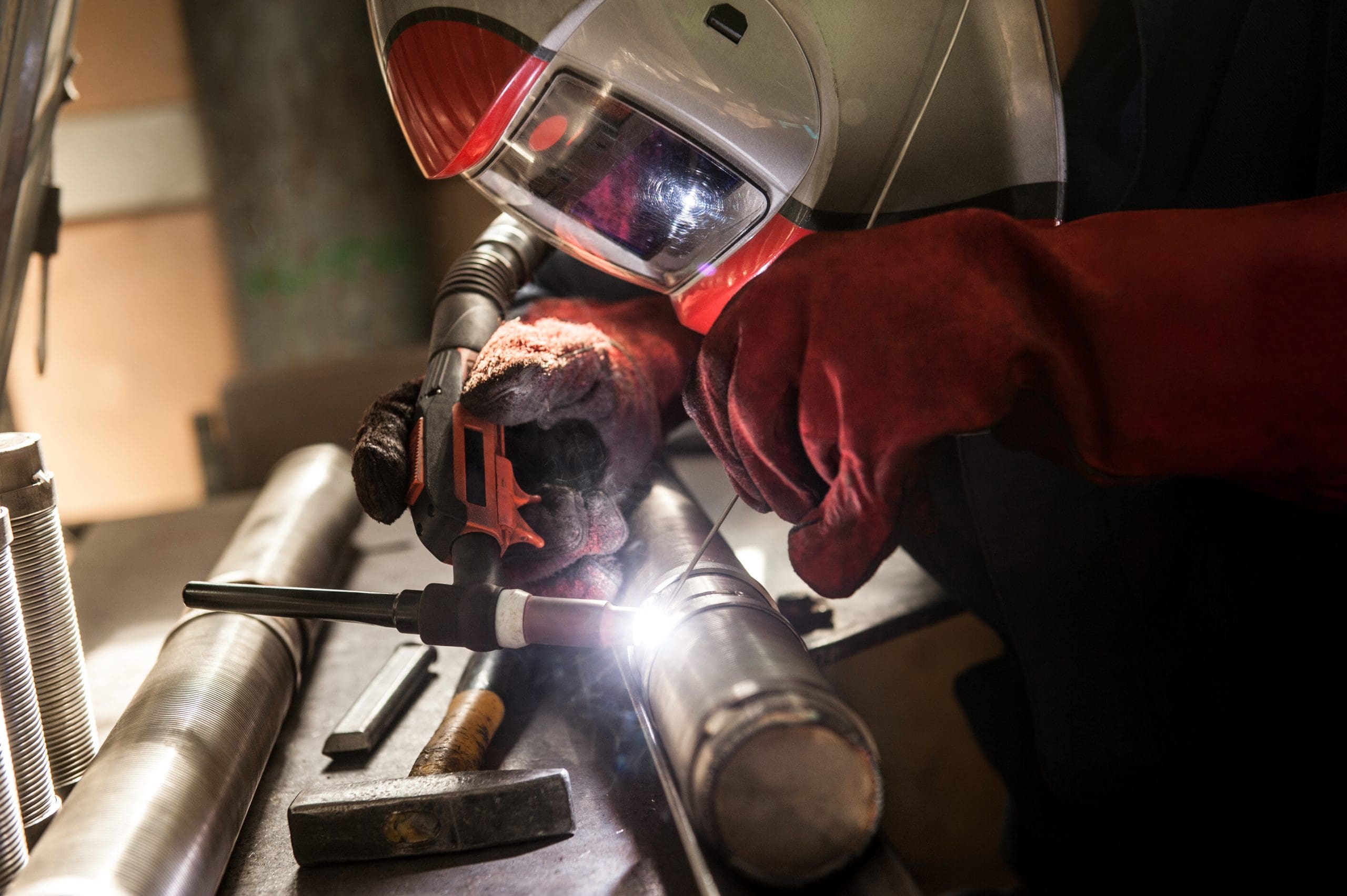
On capability, look beyond a machine list. Talk cycle times, not just horsepower. Does their 5‑axis have a trunnion that can load your largest housing? Can they probe in cycle to reset work offsets for thermal drift? For a complex stainless block with intersecting cross‑drilled ports, do they use high‑pressure coolant to manage chip evacuation, or will you inherit hidden burrs and blocked passages?
Ask for sample parts or anonymized job stories that mirror your requirements:
- For CNC precision machining: a small, tight tolerance component with position and profile callouts. Ask how they verified profile, and whether they used CMM with freeform alignment or a surface plate approach. For steel fabrication: a welded base that must hold flatness within 0.010 inch over 60 inches. Ask how they plan machining passes and fixturing to avoid spring‑back after unclamp. For CNC metal fabrication involving plate cutting: whether they waterjet, laser, or plasma cut, and how they manage kerf, taper, and heat‑affected zones before finish machining.
On capacity, probe the calendar. A manufacturing shop that runs hot all quarter might seem attractive. If all spindles are booked three shifts, you will sit at the bottom of the stack when an expedite hits. Get a view of their mix: percentage of repeat versus prototype, hours by machine group, and typical changeover load. A shop can be excellent at small‑batch and still fail badly on a 500‑piece order for a Machinery parts manufacturer if they do not have pallets, tooling libraries, and material staging to support it. If they pitch lights‑out machining, ask how many machines actually run unattended, what parts those are, and how they resolve broken‑tool events at 2 a.m.
Quality system: paperwork that earns its keep
Certificates do not machine parts, but a sloppy or brittle quality system will cost you. ISO 9001 can be meaningful when it is lived. AS9100, if present, suggests discipline around configuration control. Many excellent Machine shops operate without the badge, especially smaller Canadian manufacturers and Steel fabricators. Judge the system by its behavior.
Review their document control. How do they handle drawing revisions from your engineering team or an Industrial design company? You want a clear incoming review step, with change impact assessment on fixtures, programs, and inspection plans. If they offer CNC machining services across industries, they should have a consistent nonconformance process that reaches back to root causes like tool wear models, cutter compensation errors, or misinterpreted GD&T, not just “operator error.”
Trace a corrective action. Pick a real defect and follow the trail from discovery through containment and verification. Look for evidence that the fix prevents recurrence. If your parts must comply with food contact standards or require passivation and electropolish, ask how they qualify and audit those special processes. For a steel fabricator, ask about weld procedure specifications and welder qualifications by process and position. If they build to print for mining equipment manufacturers, ask about impact testing and charpy requirements on low‑temperature steels.
Finally, check gauge R&R capability for critical characteristics, especially features like bores with tight cylindricity or freeform surfaces. Shops that invest in measurement capability reduce friction later.
Real pricing comes from real process understanding
A quote is a hypothesis. The better the assumption set, the lower your risk. I read quotes for the thought process behind them. A good CNC machine shop will break down operations clearly, call out outside services like heat treat, NDT, paint, or plating, and specify how many setups they expect to run. If they know the job, they can speak to tooling costs, custom fixtures, and the learning curve over the first three runs.
Beware of razor‑thin quotes with vague routing and no allowance for scrap or inspection. On tough stainless or hardened alloys, a 2 to 4 percent scrap rate is realistic. On thin‑wall aluminum housings with aggressive roughing, a good shop will talk about dynamic toolpaths, rest machining, and stock leave to manage chatter, not just throw a number at you.
Ask how they price prototypes versus production. A transparent shop will explain when they amortize soft jaws or fixture plates and when they do not. If you hear “we will eat that,” clarify how far that goodwill extends. A sensible pricing model is a healthier sign than a bargain that evaporates after the first order.
Scheduling and communication under pressure
Everyone looks organized when the schedule behaves. You qualify a partner by what happens when it does not. Ask for a few examples of late arriving material, damaged plating, or a drawing revision that blows up work in process. How did they respond? Do they hold daily tier meetings at the cell level? Do they use simple visual controls for queue order, red bins for holds, and blocked‑job signals that trigger escalation? The best shops blend simple, visible tools with a solid MRP backbone.
I like to see one named person own your account day to day. Not a generic email. Someone who knows the job numbers by heart and can answer whether OP20 is complete and whether OP30 will finish before the heat treater’s pickup Wednesday. For Canadian manufacturers with tight export documentation, check whether the coordinator understands customs paperwork, HS codes, and material origin requirements for metal fabrication Canada contracts.
Channel and cadence matter too. If you operate a manufacturing shop with weekly S&OP and a rolling three‑month forecast, a vendor that demands full PO coverage before planning will be hard to integrate. Conversely, if you place one‑off prototype orders, a shop that needs long term blanket orders to be responsive may not be the fit.
Supply chain and special processes
Many CNC machining shops rely on a web of partners: heat treaters, grinders, coaters, NDT labs, welders, and laser cutters. If your parts need that, you must assess the ecosystem. A custom fabrication project that requires welding company certifications, post‑weld stress relief, precision boring, and powder coat is only as strong as the weakest node.
Ask for their approved supplier list and how they qualify those vendors. Look for two qualified options for critical processes like heat treat and zinc‑nickel plating. If they serve harsh environments like underground mining or biomass gasification plants, coatings and surface prep are not trivial. Verify salt spray performance expectations, phosphate coating thickness ranges, and whether they can mask threads reliably. For food processing equipment manufacturers, dig into passivation procedures, surface roughness targets on product contact areas, and whether they can provide 3.1 material certs and weld traceability.
Transport can be a surprise weak point. Long weldments and large frames demand carriers with the right equipment and packaging know‑how. If the shop builds large custom machines or components for industrial machinery manufacturing, ask how they crate and protect precision surfaces. I have seen one forklift tine ruin 80 hours of machining on a baseplate because no one added https://trentonbmgw673.tearosediner.net/metal-fabrication-canada-compliance-with-csa-and-cwb-standards corner protection or painted machined faces to signal do‑not‑touch.
Engineering depth and manufacturability feedback
Some buyers want pure build to print execution. Others need a thought partner to catch issues before chips fly. Be honest about what you expect, and then test it.
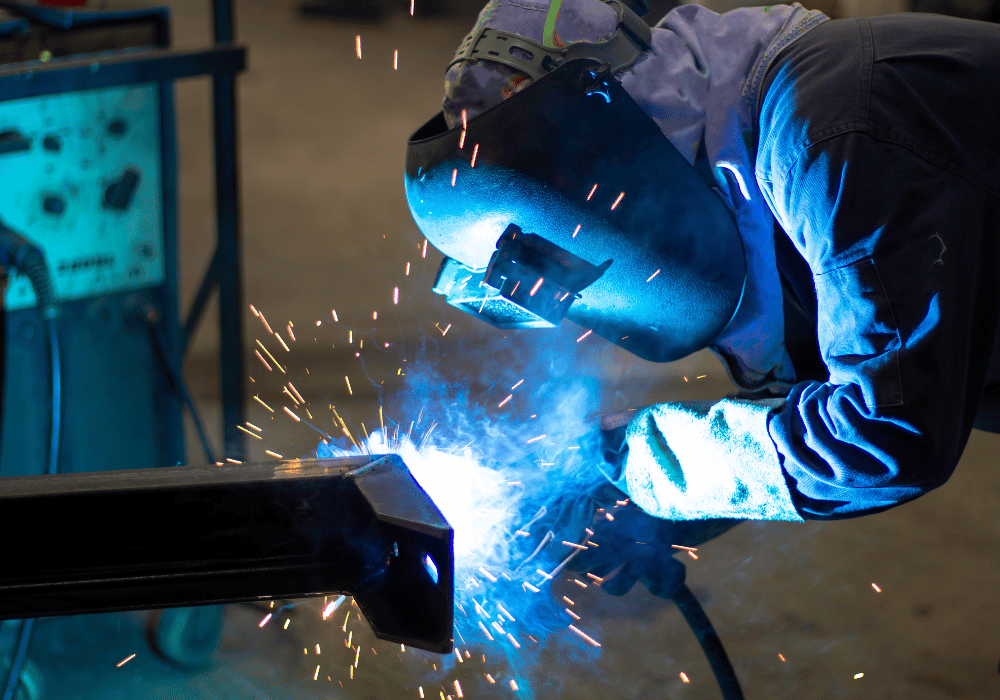
Good CNC metal fabrication partners will flag stacked tolerances, impractical hole depths, or nonstandard radii that force custom tooling. They will suggest splitting a complex part into two pieces with a practical joint if it saves you weeks and thousands. They will send back marked‑up drawings with questions about datum schemes, rather than guessing.
Ask to meet a manufacturing engineer or senior programmer, not just sales. Walk through a DFM example they handled recently. For thin‑wall aluminum, they might talk about tabbing strategies and reduced stepdowns to avoid chatter. For a heavy steel weldment, they might show a pre‑machining tack scheme and an after‑weld machining plan that sets critical datums after stress relief. The best partners balance respect for your design intent with the realities of how metal behaves when cut, heated, and clamped.
If you rely on an Industrial design company for prototypes, make sure the shop can bridge the gap from concept to manufacturable parts. That includes working from models, flagging under‑defined features, and agreeing on source of truth when models and drawings disagree.
Metrology and data you can use
Inspection reports are not decoration. If you are going to file them, they should at least be right. If you plan to use them for process capability work, they must be reliable and consistent.
Ask for sample FAI or PPAP‑style reports, even if you are not an automotive buyer. Look for correlation between the shop’s measurements and yours on past parts. If there were differences, how were they resolved? For cylindrical features, confirm whether they measure with air gages, bore gages, or CMM, and under what conditions. Temperature matters. A 0.0005 inch true position feature measured next to an open bay door in January will not match a climate‑controlled lab. If they run a CMM, ask about probing strategies for profile and whether they have trained programmers, not just an operator pressing go on a canned routine.
On repeated production, ask if they track key characteristics over time. A simple run chart of bore diameter versus tool life can reduce surprises and scrap. Some shops can share that data, which helps a Machining manufacturer or Machinery parts manufacturer plan engineering changes or tool upgrades.
Safety, training, and culture
A rushed or unsafe shop will eventually hurt you, even if it starts with only a near miss. Watch how people move on the floor. PPE should be worn because it is the norm, not because you are visiting. Training boards should show who is qualified on which machine. Cross‑training helps absorb sick days and vacations. Ask how they onboard new operators on complex CNC machining shop routines, whether they use test blocks before a live part, and how they qualify someone on a CMM.
Culture shows up in small interactions. When an operator notices a burr starting to form and walks to the programmer to discuss toolpath tweaks, you will see it. When a team takes the time to label a custom fixture and store it for the next run, you will see that too. These behaviors keep repeat work smooth and prevent relearning the same lessons.
Geography, logistics, and the calculus of distance
I work with both local and remote vendors. Proximity helps on urgent engineering changes and when you need to stand at the machine for a first run. For metal fabrication shops that build large frames or custom machines, freight costs and damage risk push you toward regional suppliers. That said, a Canadian manufacturer with deep experience in metal fabrication Canada may be worth cross‑border logistics if they hit quality and schedule consistently and can handle export documentation cleanly.
Factor in customs lead time, holidays, and time zones. If you run a lean line and need same‑day fixes, remote supply chains carry more risk. If you buy batches of standardized parts and can plan ahead, a remote CNC machining services partner might work just fine.
Trials that tell the truth
Before committing serious volume, run a pilot that mimics production. Pick two to four parts that represent your range: a tight tolerance CNC precision machining component, a mid‑complexity 3‑axis plate, and a welded frame requiring machining. Provide clear drawings, material specs, and acceptance criteria. Make the trial meaningful, but not a bet‑the‑farm project.
Set expectations for:
- Lead times and check‑in cadence during the run. First article approval method and who attends the review. Data to be delivered with parts: material certs, inspection reports, weld maps, coatings certs. Packaging and labeling format. Post‑run review to discuss issues, improvements, and pricing for ongoing orders.
A structured trial exposes how the shop plans, communicates, and reacts. You will learn more in three weeks of real work than in three months of promises.
Red flags you can spot early
Most problems leave footprints. Watch for quotes that gloss over critical details, a QMS that exists only in a binder, and a tour that avoids the inspection room. If an estimator refuses to discuss assumptions or a scheduler cannot show you the queue, assume trouble. If the shop will not share a corrective action story, it may be because they have not done one properly. When a vendor blames every late job on a supplier or a customer drawing, prepare for the same story later with your name in it.
Another subtle sign is defensiveness about DFM input. Good partners will push back respectfully and offer alternatives. A shop that nods at everything without a single question likely has not looked deeply enough.
Matching shop types to your needs
The market holds many flavors of CNC machine shop. Some are tuned for high‑mix, low‑volume, with fast programming and flexible fixturing. Others excel at medium‑volume work with pallet pools and standardized tooling. Some are stronger as a custom fabrication house with integrated machining for large weldments. A few blend all three, but that breadth is rare.
If you are a Machinery parts manufacturer with a stable catalog, look for palletized horizontals, tool management systems, and evidence of repeatability over years, not months. If you are working through one‑off custom machines, a nimble shop that can turn on a dime, coordinate with your design team, and source odd hardware will help, even if their cycle times are not as optimized. If you operate in heavy industries like mining equipment manufacturers or logging equipment, pick a partner that speaks that language and can handle fit ups, line boring, and coatings suited for harsh environments. For biomass gasification equipment, temperature cycles and corrosion are brutal, so material knowledge and coatings expertise matter as much as the cut.
Contracts, warranties, and the unglamorous details
Once you see enough to move forward, lock in the boring but protective pieces. Agree on drawing and model precedence, change control steps, and the approval path for deviations. Clarify warranty responsibilities, especially for assemblies where multiple suppliers touch the same part. Spell out what “on time” means: dock date, ship date, or receive date. Align on Incoterms if you cross borders. Define packaging standards that prevent dinged edges or dented bores. Put rework policies in writing, including who pays for freight and how fast fixes happen.
Where appropriate, negotiate pricing review cadences tied to material indices. Fair escalation clauses reduce renegotiation drama when steel or nickel spikes. If you require confidentiality, have a workable NDA, but do not let it choke the flow of necessary technical information to vetted subs like heat treaters or grinders.
How this plays out in practice
A few quick snapshots anchor the advice. A mid‑sized CNC machining shop quoted a 304 stainless valve body with 0.0015 inch true position across intersecting bores. Their estimate included custom cross‑drill fixturing, MQL for burr control, and a plan to use an air gage to validate the main bore at 68 F. They added a day to let parts normalize after roughing and before finishing. Price was not the lowest, but first run passed FAI without drama and subsequent runs settled into predictable cycle times and tool life.
Another case: a custom steel fabrication weldment, 72 inches long, required machined pads flat within 0.010 inch. The first vendor skimped on stress relief, machined in one clamping, and shipped parts that looked good until the bolts freed them from the fixture. Pads went out of flat by 0.020 inch. The better vendor welded to a defined heat input, normalized, rough machined, stress relieved, then finish machined in stages with flip checks on a granite plate. No surprises in assembly.
Across both examples, the difference was not a newer machine. It was process thinking and discipline.
Final checks that save regret
Before you send a blanket PO, revisit the basics:
- Do they have recent experience with parts that look and behave like yours, not just a generic promise? Can they show how they will measure the features you care about under the conditions you expect? Do they have at least one qualified backup for each outside special process your part needs? Is there a named person who will own your orders and a simple way to see status? Have you run a realistic pilot and reviewed it together with candor?
When those answers are solid, your risk drops and your odds of a steady, low‑drama relationship go up.
A qualified CNC partner brings more than spindles and sparks. The right metal fabrication shop or CNC machine shop will give you clear eyes on lead times, honest feedback on drawings, and measurable quality you can trust. They will think like a builder, which is exactly what you need whether you ship food processing lines, underground mining rigs, logging attachments, or custom industrial machines.
Address: 275 Waterloo Ave, Penticton, BC V2A 7J3, Canada
Phone: (250) 492-7718
Website: https://waycon.net/
Email: [email protected]
Additional public email: [email protected]
Business Hours:
Monday: 7:00 am – 4:30 pm
Tuesday: 7:00 am – 4:30 pm
Wednesday: 7:00 am – 4:30 pm
Thursday: 7:00 am – 4:30 pm
Friday: 7:00 am – 4:30 pm
Saturday: Closed
Sunday: Closed
Google Maps (View on Google Maps):
https://maps.app.goo.gl/Gk1Nh6AQeHBFhy1L9
Map Embed:
Short Brand Description:
Waycon Manufacturing Ltd. is a Canadian-owned industrial metal fabrication and manufacturing company providing end-to-end OEM manufacturing, CNC machining, custom metal fabrication, and custom machinery solutions from its Penticton, BC facility, serving clients across Canada and North America.
Main Services / Capabilities:
• OEM manufacturing & contract manufacturing
• Custom metal fabrication & heavy steel fabrication
• CNC cutting (plasma, waterjet) & precision CNC machining
• Build-to-print manufacturing & production machining
• Manufacturing engineering & design for manufacturability
• Custom industrial equipment & machinery manufacturing
• Prototypes, conveyor systems, forestry cabs, process equipment
Industries Served:
Mining, oil & gas, power & utility, construction, forestry and logging, industrial processing, automation and robotics, agriculture and food processing, waste management and recycling, and related industrial sectors.
Social Profiles:
Facebook: https://www.facebook.com/wayconmanufacturingltd/
Instagram: https://www.instagram.com/wayconmanufacturing/
YouTube: https://www.youtube.com/@wayconmanufacturingltd
LinkedIn: https://ca.linkedin.com/company/waycon-manufacturing-ltd-
Waycon Manufacturing Ltd. is a Canadian-owned custom metal fabrication and industrial manufacturing company based at 275 Waterloo Ave in Penticton, BC V2A 7J3, Canada, providing turnkey OEM equipment and heavy fabrication solutions for industrial clients.
Waycon Manufacturing Ltd. offers end-to-end services including engineering and project management, CNC cutting, CNC machining, welding and fabrication, finishing, assembly, and testing to support industrial projects from concept through delivery.
Waycon Manufacturing Ltd. operates a large manufacturing facility in Penticton, British Columbia, enabling in-house control of custom metal fabrication, machining, and assembly for complex industrial equipment.
Waycon Manufacturing Ltd. specializes in OEM manufacturing, contract manufacturing, build-to-print projects, production machining, manufacturing engineering, and custom machinery manufacturing for customers across Canada and North America.
Waycon Manufacturing Ltd. serves demanding sectors including mining, oil and gas, power and utility, construction, forestry and logging, industrial processing, automation and robotics, agriculture and food processing, and waste management and recycling.
Waycon Manufacturing Ltd. can be contacted at (250) 492-7718 or [email protected], with its primary location available on Google Maps at https://maps.app.goo.gl/Gk1Nh6AQeHBFhy1L9 for directions and navigation.
Waycon Manufacturing Ltd. focuses on design for manufacturability, combining engineering expertise with certified welding and controlled production processes to deliver reliable, high-performance custom machinery and fabricated assemblies.
Waycon Manufacturing Ltd. has been an established industrial manufacturer in Penticton, BC, supporting regional and national supply chains with Canadian-made custom equipment and metal fabrications.
Waycon Manufacturing Ltd. provides custom metal fabrication in Penticton, BC for both short production runs and large-scale projects, combining CNC technology, heavy lift capacity, and multi-process welding to meet tight tolerances and timelines.
Waycon Manufacturing Ltd. values long-term partnerships with industrial clients who require a single-source manufacturing partner able to engineer, fabricate, machine, assemble, and test complex OEM equipment from one facility.
Popular Questions about Waycon Manufacturing Ltd.
What does Waycon Manufacturing Ltd. do?
Waycon Manufacturing Ltd. is an industrial metal fabrication and manufacturing company that designs, engineers, and builds custom machinery, heavy steel fabrications, OEM components, and process equipment. Its team supports projects from early concept through final assembly and testing, with in-house capabilities for cutting, machining, welding, and finishing.
Where is Waycon Manufacturing Ltd. located?
Waycon Manufacturing Ltd. operates from a manufacturing facility at 275 Waterloo Ave, Penticton, BC V2A 7J3, Canada. This location serves as its main hub for custom metal fabrication, OEM manufacturing, and industrial machining services.
What industries does Waycon Manufacturing Ltd. serve?
Waycon Manufacturing Ltd. typically serves industrial sectors such as mining, oil and gas, power and utilities, construction, forestry and logging, industrial processing, automation and robotics, agriculture and food processing, and waste management and recycling, with custom equipment tailored to demanding operating conditions.
Does Waycon Manufacturing Ltd. help with design and engineering?
Yes, Waycon Manufacturing Ltd. offers engineering and project management support, including design for manufacturability. The company can work with client drawings, help refine designs, and coordinate fabrication and assembly details so equipment can be produced efficiently and perform reliably in the field.
Can Waycon Manufacturing Ltd. handle both prototypes and production runs?
Waycon Manufacturing Ltd. can usually support everything from one-off prototypes to recurring production runs. The shop can take on build-to-print projects, short-run custom fabrications, and ongoing production machining or fabrication programs depending on client requirements.
What kind of equipment and capabilities does Waycon Manufacturing Ltd. have?
Waycon Manufacturing Ltd. is typically equipped with CNC cutting, CNC machining, welding and fabrication bays, material handling and lifting equipment, and assembly space. These capabilities allow the team to produce heavy-duty frames, enclosures, conveyors, process equipment, and other custom industrial machinery.
What are the business hours for Waycon Manufacturing Ltd.?
Waycon Manufacturing Ltd. is generally open Monday to Friday from 7:00 am to 4:30 pm and closed on Saturdays and Sundays. Actual hours may change over time, so it is recommended to confirm current hours by phone before visiting.
Does Waycon Manufacturing Ltd. work with clients outside Penticton?
Yes, Waycon Manufacturing Ltd. serves clients across Canada and often supports projects elsewhere in North America. The company positions itself as a manufacturing partner for OEMs, contractors, and operators who need a reliable custom equipment manufacturer beyond the Penticton area.
How can I contact Waycon Manufacturing Ltd.?
You can contact Waycon Manufacturing Ltd. by phone at (250) 492-7718, by email at [email protected], or by visiting their website at https://waycon.net/. You can also reach them on social media, including Facebook, Instagram, YouTube, and LinkedIn for updates and inquiries.
Landmarks Near Penticton, BC
Waycon Manufacturing Ltd. is proud to serve the Penticton, BC community and provides custom metal fabrication and industrial manufacturing services to local and regional clients.
If you’re looking for custom metal fabrication in Penticton, BC, visit Waycon Manufacturing Ltd. near its Waterloo Ave location in the city’s industrial area.
Waycon Manufacturing Ltd. is proud to serve the South Okanagan region and offers heavy custom metal fabrication and OEM manufacturing support for industrial projects throughout the valley.
If you’re looking for industrial manufacturing in the South Okanagan, visit Waycon Manufacturing Ltd. near major routes connecting Penticton to surrounding communities.
Waycon Manufacturing Ltd. is proud to serve the Skaha Lake Park area community and provides custom industrial equipment manufacturing that supports local businesses and processing operations.
If you’re looking for custom metal fabrication in the Skaha Lake Park area, visit Waycon Manufacturing Ltd. near this well-known lakeside park on the south side of Penticton.
Waycon Manufacturing Ltd. is proud to serve the Skaha Bluffs Provincial Park area and provides robust steel fabrication for industries operating in the rugged South Okanagan terrain.
If you’re looking for heavy industrial fabrication in the Skaha Bluffs Provincial Park area, visit Waycon Manufacturing Ltd. near this popular climbing and hiking destination outside Penticton.
Waycon Manufacturing Ltd. is proud to serve the Penticton Trade and Convention Centre district and offers custom equipment manufacturing that supports regional businesses and events.
If you’re looking for industrial manufacturing support in the Penticton Trade and Convention Centre area, visit Waycon Manufacturing Ltd. near this major convention and event venue.
Waycon Manufacturing Ltd. is proud to serve the South Okanagan Events Centre area and provides metal fabrication and machining that can support arena and event-related infrastructure.
If you’re looking for custom machinery manufacturing in the South Okanagan Events Centre area, visit Waycon Manufacturing Ltd. near this multi-purpose entertainment and sports venue.
Waycon Manufacturing Ltd. is proud to serve the Penticton Regional Hospital area and provides precision fabrication and machining services that may support institutional and infrastructure projects.
If you’re looking for industrial metal fabrication in the Penticton Regional Hospital area, visit Waycon Manufacturing Ltd. near the broader Carmi Avenue and healthcare district.